
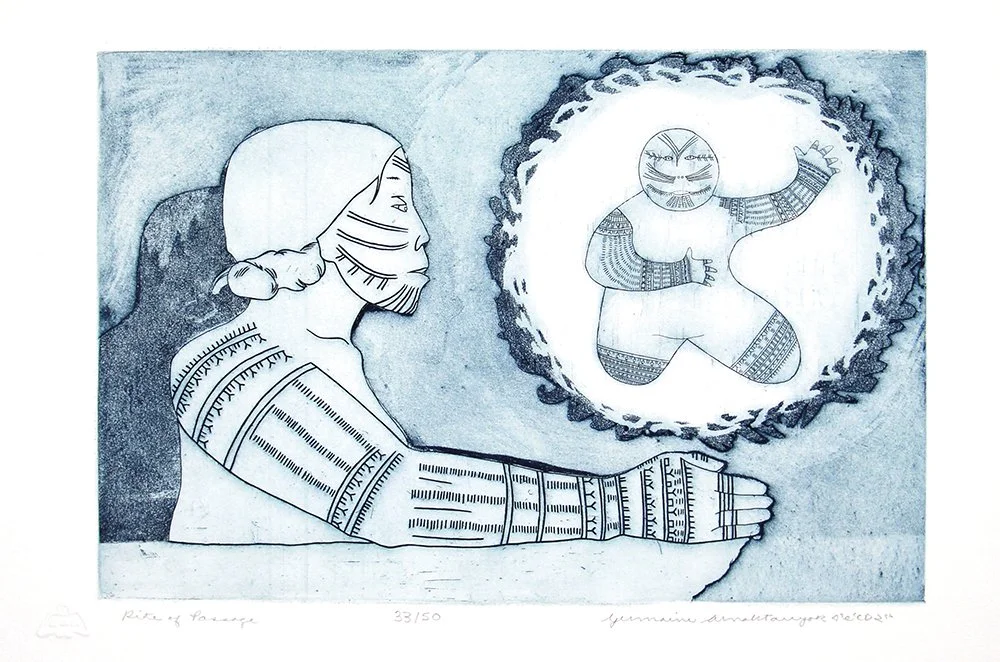
The Ground Beneath Becoming
What if a nonlinear life is not evidence of being lost, but a series of meaningful passages? Drawing upon Arnold van Gennep’s work, this personal essay considers separation, liminality, and return through education, therapy, place, and the continuing work of becoming more fully ourselves.
Germaine ArnaktauyokRite of Passage (2021) Etching 34.3 x 44.5 cmCOURTESY INUIT GALLERY OF VANCOUVER © THE ARTIST
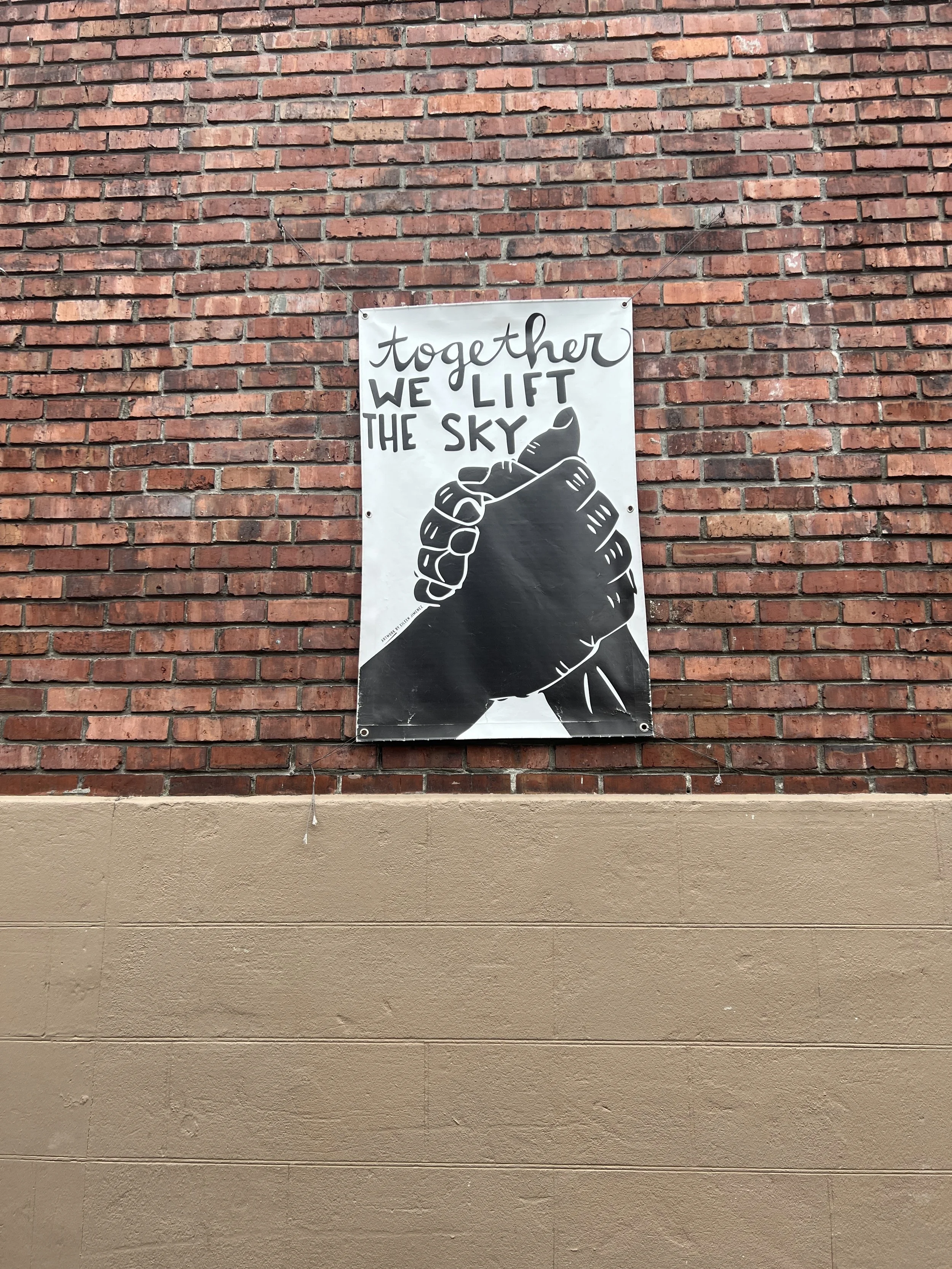
The Beginners Guide to Meditation
Fremont, Seattle
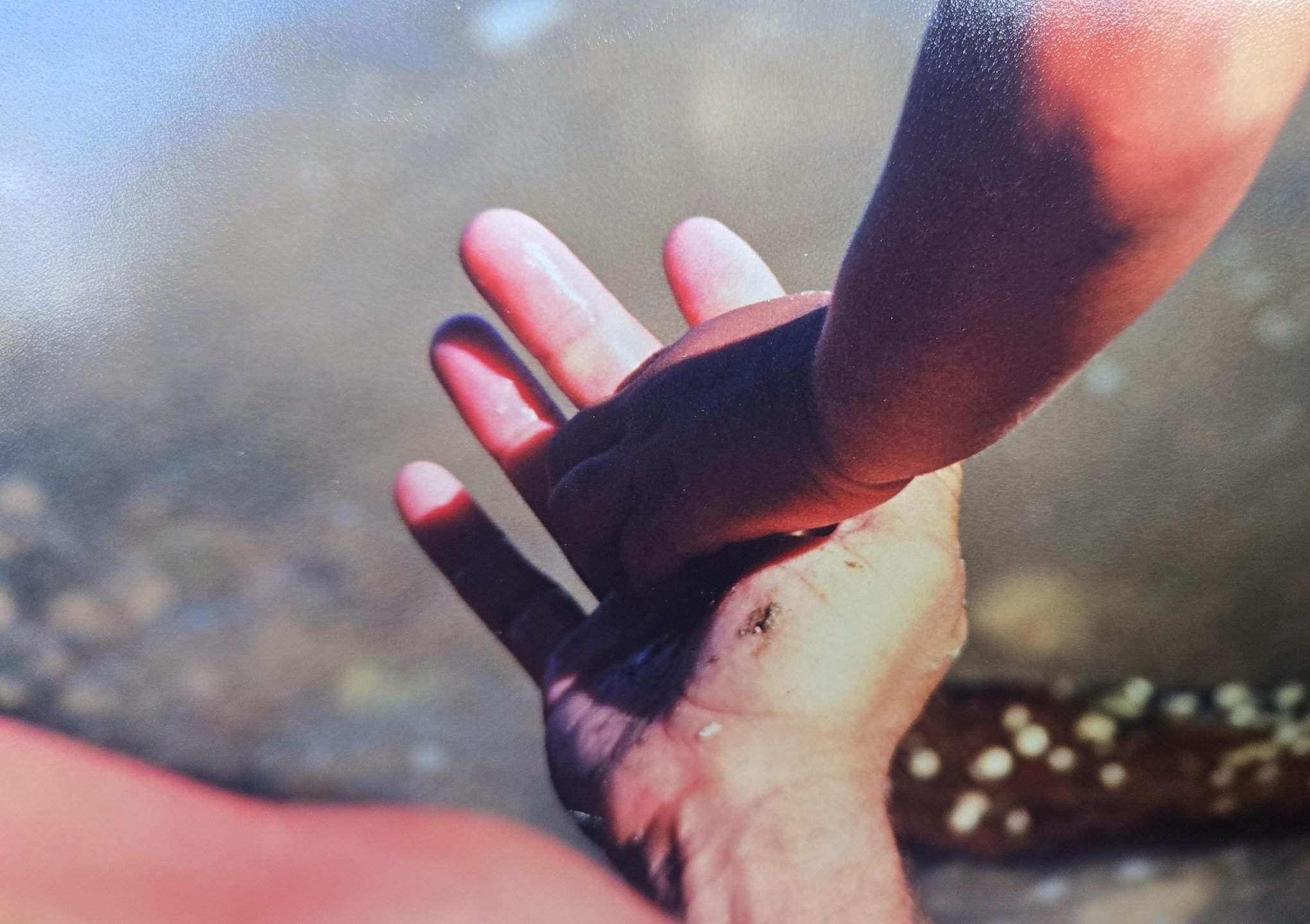
Care is Relational

Exercises To Calm Your Anxious Thoughts
Calm Heart, Calm Mind.
Anxious thoughts can make the mind feel loud, urgent, and difficult to escape. These gentle exercises use breathing, sensory awareness, movement, and grounding to help settle the nervous system and create a little more space around worry.
Explore seven gentle exercises to calm anxious thoughts, regulate the nervous system, and return to the present through breath, movement, and grounding.

Resilient Relationality
RESILIENT RELATIONALITY
How might we rebuild care, community, and ecological responsibility by strengthening the relationships between land, kinship, shared space, and the more-than-human world?
In this essay, I question the dominant understanding of resilience as an individual capacity to endure hardship. Instead, I propose the original keyword Resilient Relationality to describe the adaptive strength of relationships among people, communities, land, and the more-than-human world. This concept allows me to examine how care is shaped not only by personal choice, but by the social, spatial, ecological, and historical systems that make relation possible. By naming resilient relationality, I aim to show that repair requires more than individual survival; it requires rebuilding the conditions that allow shared life, reciprocity, and interdependence to endure.
How to Take An Effective Mental Health Day
beauty
Every practitioner is a whole person, with a life that exists beyond the boundaries of the client-provider relationship. I value the honest exchange of stories, not as a way to center myself, but as a way to remember our shared humanity.
When offered with care, discernment, and consent, personal sharing can become a humble gesture: a reminder that healing does not happen between expert and object, but between people meeting one another with respect, presence, and dignity.
In a contemporary world often shaped by binaries, I invite dialogue, constructive conversation, debate, and sincere questioning. I believe care is strongest when it is mutual when knowledge moves in more than one direction, when the individuals lived experience is respected, and when each of us remain open, curious, and accountable.