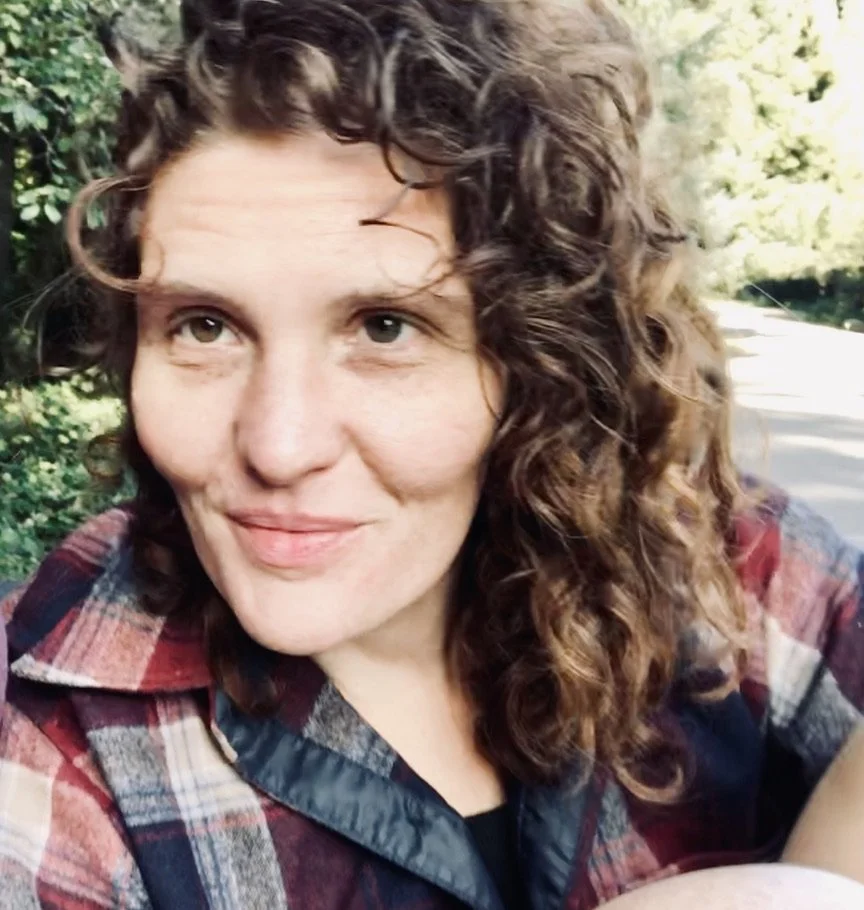
A Bit About Your Practitioner
I am a physical medicine practitioner, herbalist, outdoor guide, and graduate of Integrated Social Sciences. My work explores the relationships among the body, healthcare, ecology, land, and community.
I began practicing in 2008 and founded Anatomia Physical Medicine in 2010. My approach combines structural massage, therapeutic touch, herbal knowledge, careful assessment, and trauma-informed care. I work collaboratively, with an emphasis on consent, deep listening, and respect for the body’s intelligence.
Rather than treating the body as a problem to be corrected, I help clients understand patterns, restore possibility, and develop a more sustainable relationship with movement, rest, and well-being. I recognize that we carry more than muscles and bones; we also carry work, injury, adaptation, memory, grief, responsibility, and resilience.
My education includes training at the Center for Health and Natural Medicine, Cedar Mountain Herb School, and the Integrated Institute for Herbal Medicine, as well as years of hands-on experience with medicinal plants and botanical medicine.
More than twenty years of wilderness leadership throughout the Cascades, Olympic Mountains, Alaska, and Appalachians have also shaped my understanding of care. Whether working in the treatment room, tending plants, or guiding in the mountains, I remain interested in the same question:
What helps people feel more at home in their bodies and more connected to the worlds they inhabit?
-
Anatomia is rooted in the belief that care is relational. The body is not separate from daily life, stress, injury, work, land, memory, or community. In the treatment room, this means we work together through structural bodywork, movement education, nervous system awareness, and client-centered care to better understand what your body is carrying and what kind of support may help.
This approach is not about fixing a broken body.
It is about listening to an intelligent, adaptive body and creating the conditions for more ease, mobility, trust, and connection.
-
The values behind Anatomia have been shaped not only in the clinic, but also in the backcountry. For more than 20 years, I have led wilderness expeditions across the Cascades, the Olympics, Alaska, and the Appalachians. These experiences bring together wilderness medicine, plant knowledge, and inclusive outdoor education, and they continue to shape how I think about care, responsibility, and resilience.
In the backcountry, survival is not individual. It depends on attention, preparation, reciprocity, trust, and respect for land. These same values guide my broader work.
Care is not something one person simply gives to another. It is something built through relationship, listening, skill, responsibility, and mutual participation.
In 2018, I created Ecotopia Botanicals, a small-batch herbal project inspired by plants, collaboration, and mutual care. This work began during the years I spent exploring the wilds of Washington with my beloved wolf-dog companion, Minuit, and it continues now in Manchester, Washington, where I live among the forests with my dog, Sal.
When I am not in the clinic, studying, or on the trail, I can often be found tending the garden, reading on the porch, riding my bike through the woods, or brewing a cup of tea. I draw inspiration from photography, woodcraft, plant medicine, and the writings of Haruki Murakami, Thich Nhat Hanh, Louise Erdrich, Ursula K. Leguin, and Italo Calvino.
My work centers around how we might rebuild healthier, more reciprocal relationships among bodies, communities, land, and the more-than-human world.
Anatomia is one expression of that larger commitment: a place where care is thoughtful, embodied, collaborative, and grounded in relationship.
-
All sessions are offered as 90-minute appointments. This allows enough time to settle in, discuss what is happening in your body, receive focused hands-on care, explore movement or self-care practices, and leave without feeling rushed. Each session is individualized and may include structural bodywork, therapeutic massage, movement education, nervous system support, and conversation about patterns contributing to pain, tension, or limited mobility.